There's a lot to worry about when planning a trip. From packing to planning, you don't want to worry about more than you have to. An especially big worry on trips is safety, and making sure that you stay safe in your hotel is essential. So what should you do to stay safe?
Hotel Safety Features
To stay safe in a hotel, it's important to understand the safety features hotels have in case of an emergency:
- Fire extinguishers: All hotels are required to have fire extinguishers, and are usually placed in public areas (like hallways or lobbies), but not every hotel room is required to contain one.
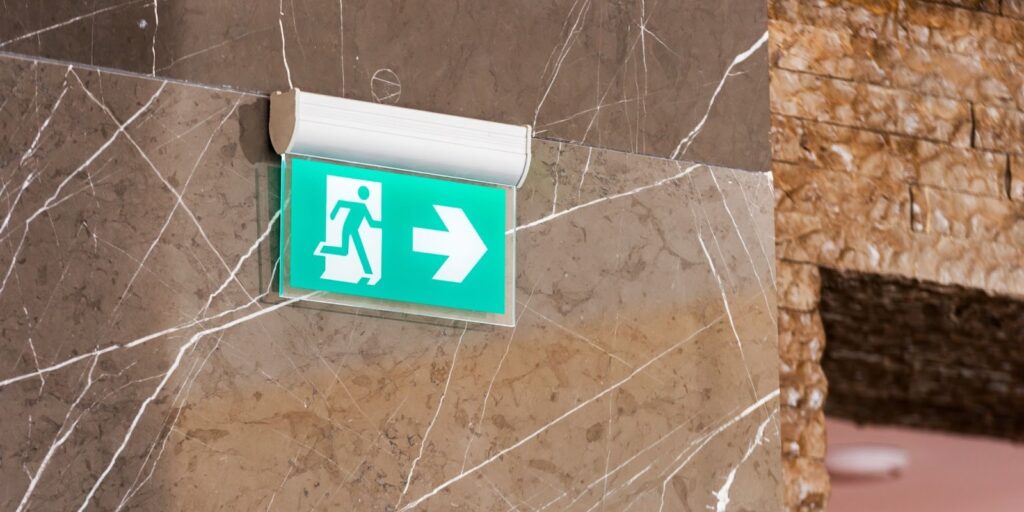
- Emergency exits/emergency plans: All hotels are required to have at least two emergency exits per floor. They're also required to have emergency plan diagrams, typically in hotel rooms, hallways, elevator lobbies, and stairwells.
- Smoke detectors: All hotels are required to have smoke detectors, and placements may vary depending on hotel policy. So be sure to find out where they are located in your hotel.
- Carbon monoxide detectors: Not every hotel is required to have carbon monoxide detectors—ask your hotel if they have one.
- Security surveillance: Even though it is standard practice, not all hotels are required to have security cameras. Check if your hotel does before you reserve a room.
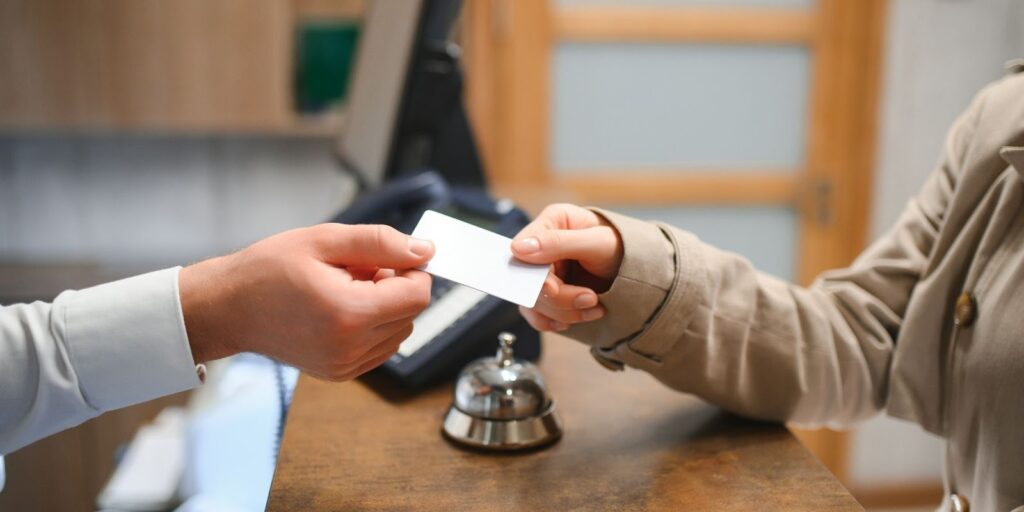
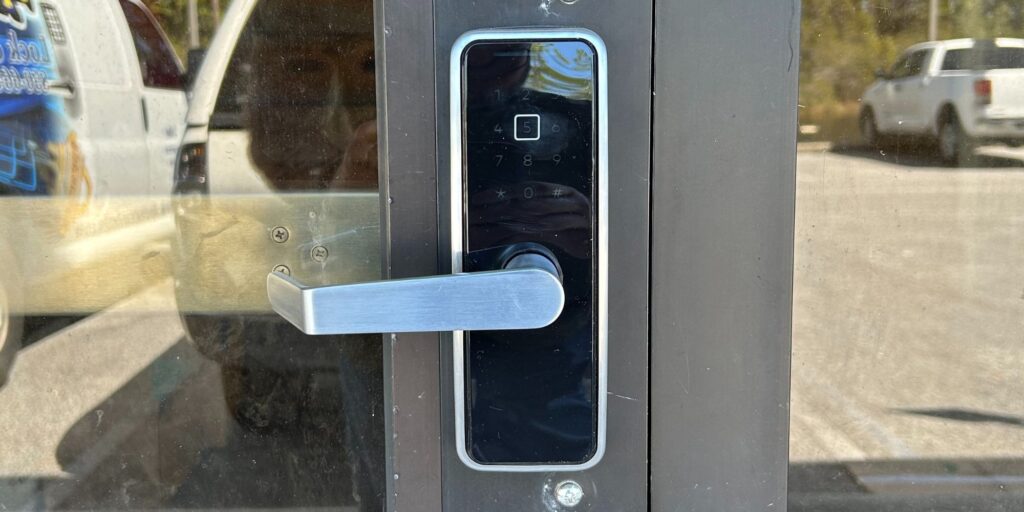
- Controlled Access: Keycards and more advanced door locks are typically safer as they promote more controlled access. But some hotels may use traditional room keys and locks.
Hotel Safety Tips
Applying safety measures are just as vital as knowing them. Here are some safety tips for before, during and after your stay to ensure a safe trip.
Before Arrival
- Choose reputable hotels: Hotels that have good reviews and reputation are far safer than less-reputable establishments.
- Research Safety Measures: Find out what safety features your hotel has, and how to access them. Be sure that whoever you're travelling with also knows these safety features.
- Make an emergency plan: Even though there may be diagrams for this, having a before-hand plan for emergencies can help ensure a safe stay.
- Ask for a secure room: Aim for getting a room on a middle floor, as ground floor rooms are more susceptible to break-ins.
Upon Arrival
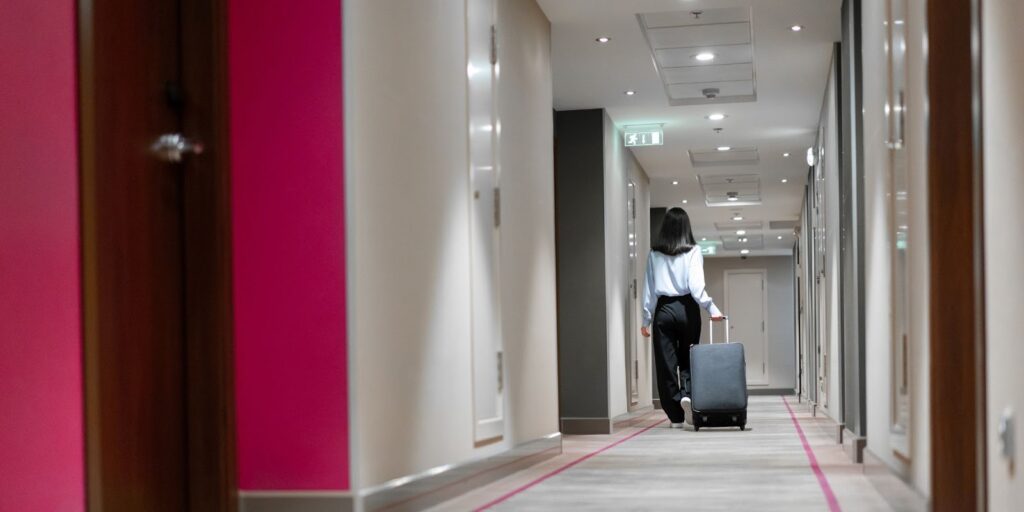
- Locate safety measures: Look for where your hotel safety measures are—like emergency exits and fire extinguishers.
- Secure your hotel room: Check to see if your room has its needed safety features and that they are all working properly.
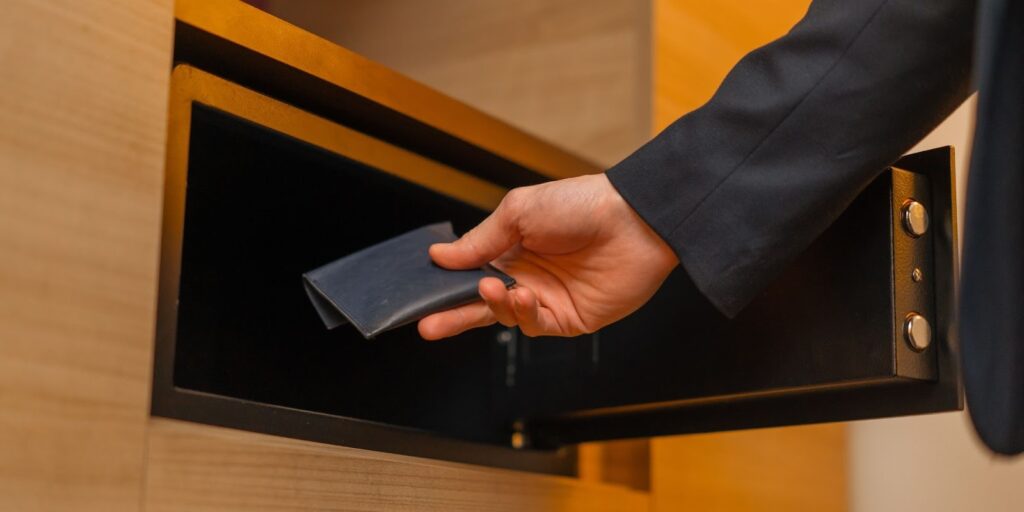
- Secure your valuables/belongings: Make sure to store your belongings in secure places. Some hotels even have a room safe to keep valuables.
During Your Stay
- Always secure your room: Make sure that your hotel room's windows and door are always locked—don't give intruders the ability to simply open the door.
- Protect your privacy: Don't advertise your room number or any private information, and be sure to not announce whenever you're away.
- Be aware: Be on the lookout for possible dangers and be aware of your surroundings. Sometimes your eyes are your best line of security.
If safety features aren't working properly or appear broken, let the front desk know immediately. And if there ever is an emergency, call emergency services immediately.
FAQ
Why put a washcloth in a hotel lock?
Many intruders may try to use a wire to open a room door from the inside. Placing a washcloth or towel in the way can make it harder to break in.
How can you be safe in a hotel?
Make sure the hotel you stay in is well-reputed and secure, secure your room by checking your door and windows are locked, and even look into further security that you can add to your room.
What is the safest place in a hotel?
The safest places to stay are the middle floors of the hotel. Typically the 3rd to 6th floors are considered safest (ref: https://safetyabroad.illinois.edu/safety-wellness/hotels/?), as they lower accessibility to intruders but are still accessible for emergency services.
What does a wet towel under the door mean?
A wet towel under the door can mean a variety of things. Commonly, it's used to prevent smoke from a fire from entering by sealing the gap under the door. It can also assist with keeping light out or even noise reduction.